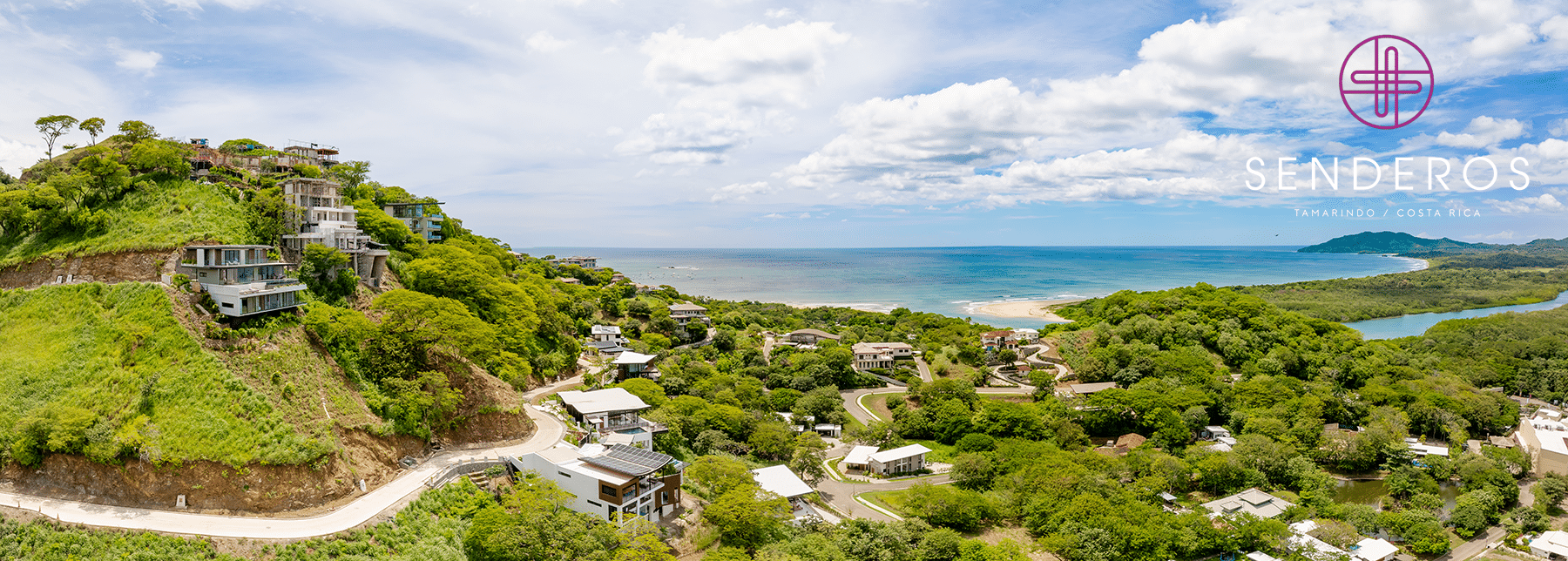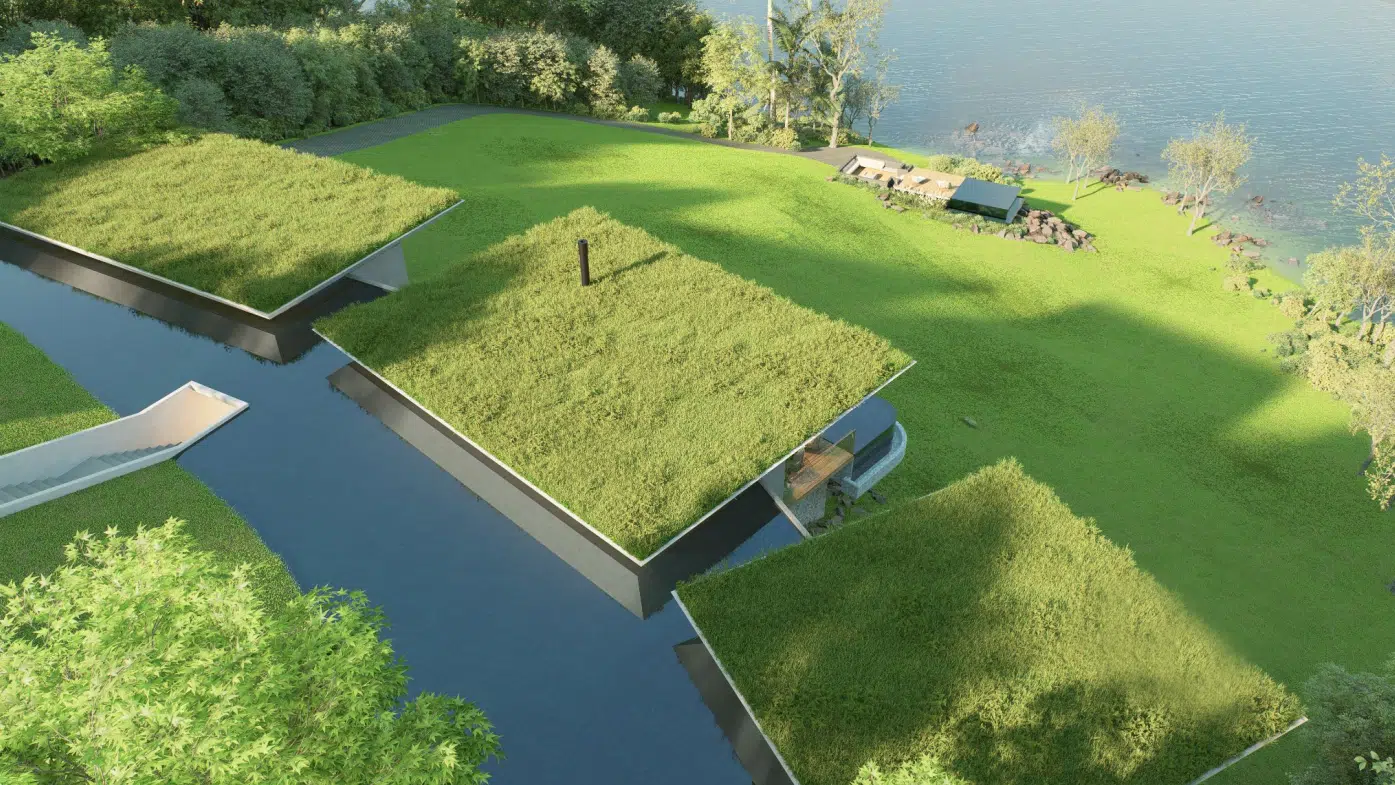
Costa Rica’s real estate market continues to attract international buyers seeking beachfront properties, vacation rentals, sustainable homes, and a better quality of life. In Guanacaste, communities such as Tamarindo, Playa Langosta, Flamingo, Potrero, and the wider Santa Cruz canton remain at the center of that demand.
Recent construction and regulatory data, however, show why buyers need to look beyond beautiful photographs and asking prices. Development is growing, construction costs are changing, and permitting problems remain a significant concern.
Here are four trends that buyers, sellers, and investors should understand in 2026—and how Magnolia Real Estate and Magnolia Builders can help clients navigate them.
Construction activity is growing in Santa Cruz
The Colegio Federado de Ingenieros y de Arquitectos de Costa Rica (CFIA) reported that 311,036 square meters of construction were registered in Santa Cruz during the first half of 2026. That represents a 16.8% increase compared with the same period in 2025.
Housing and condominium-lot projects accounted for much of the activity in Santa Cruz. Nationwide, registered construction for condominiums and apartments increased by 17.4%.
These numbers reinforce what buyers can already see throughout coastal Guanacaste: development continues, with new homes, condominiums, gated communities, and building lots entering the market.
For buyers, this can mean more choice. It can also bring greater competition for desirable land, additional pressure on roads and utilities, and substantial differences in quality between projects.
For owners and investors, increased construction can create opportunities—but every project should be evaluated in the context of future supply, location, infrastructure, water availability, and the type of buyer or renter it is intended to attract.
Permitting should be a central part of due diligence
One of the most important findings for Guanacaste buyers concerns construction permits.
According to CFIA inspections, 319 of the 1,124 projects reviewed in Guanacaste did not have the required municipal permit. In Santa Cruz, the reported noncompliance rate among inspected projects was 45%.
This does not mean that 45% of every property in Santa Cruz is unpermitted. The figure applies to the projects included in CFIA’s inspections. Nevertheless, it highlights a serious risk that buyers should not ignore.
Before purchasing a newly built or remodeled property, buyers should confirm that the physical construction matches the approved plans and municipal records. This is especially important for properties with added bedrooms, swimming pools, guesthouses, rental units, retaining walls, or major renovations.
An attractive home can become a complicated investment if improvements were constructed without the proper approvals. Permit problems can affect financing, insurance, future renovations, resale, and a buyer’s ability to operate the property as intended.
Construction prices are moving upward
Costa Rica’s Instituto Nacional de Estadística y Censos reported that construction-price indexes increased again in July 2026. The Buildings Price Index rose by 0.16% during the month, while the Social-Interest Housing Price Index increased by 0.19%. This marked four consecutive months of increases.
Monthly movements may appear modest, but they matter when applied to an entire construction budget. Material prices are also only one part of the total cost of building in Guanacaste.
Site preparation, drainage, retaining structures, access, utility connections, water systems, landscaping, imported finishes, and the logistics of building in coastal or mountainous areas can all influence the final price.
Buyers comparing an existing home with a building lot should therefore avoid relying on a simple per-square-meter estimate. A realistic feasibility review should consider the land, design, infrastructure, permits, professional fees, contingency allowance, and long-term maintenance requirements.
Sustainable design must include climate resilience
Eco-friendly construction is often associated with solar energy, efficient air conditioning, natural ventilation, rainwater systems, and responsibly selected materials. Those features are valuable, but sustainability should also include resilience.
CFIA has emphasized the role of topography, hydrological analysis, stormwater management, land-use changes, and nature-based infrastructure in reducing flood risk.
These considerations are especially relevant in Guanacaste. Coastal properties must account for intense seasonal rain, drainage, salt exposure, heat, and humidity. Hillside and mountain homes require careful evaluation of slopes, soil conditions, retaining structures, erosion, road access, and water movement.
A property should not be described as sustainable simply because it includes solar panels or natural finishes. A genuinely sustainable home should respond intelligently to its site, reduce operating demands, manage water responsibly, and remain durable in Costa Rica’s tropical environment.
Why work with Magnolia Real Estate?
Buying real estate in Costa Rica requires more than finding an appealing listing. Clients need local guidance that connects their lifestyle or investment objectives with the realities of each property.
Magnolia Real Estate helps buyers evaluate opportunities throughout Guanacaste, including Tamarindo, Playa Langosta, Flamingo, Potrero, and the wider Santa Cruz canton.
Whether the objective is a luxury beachfront residence, an eco-home, a digital-nomad property, a short-term rental, a mountain retreat, or land for development, Magnolia Real Estate helps clients ask the right questions before making a commitment.
That includes considering:
- Location and comparable market options
- Property condition and intended use
- Construction and permit history
- Access, utilities, water, and infrastructure
- Rental-market suitability
- Resale potential
- The professionals needed for legal, technical, and construction due diligence
The goal is not simply to complete a transaction. It is to help clients choose a property that fits their plans and understand the practical issues that can affect ownership.
Why use Magnolia Builders for your construction project?
When a client wants to build, renovate, expand, or improve a property, the decisions made before construction begins are often the most important.
Magnolia Builders helps turn a property vision into a practical project by connecting design, site conditions, budgeting, permitting, material selection, construction, and long-term usability.
This coordinated approach is particularly valuable in Guanacaste, where coastal exposure, intense rain, challenging terrain, water management, energy efficiency, and material availability can all influence a project.
Working with Magnolia Builders can help clients:
- Evaluate whether a lot and proposed design are compatible
- Develop a more realistic project scope and budget
- Plan for permits and professional requirements
- Incorporate climate-responsive and energy-efficient features
- Select materials suitable for tropical and coastal conditions
- Address drainage, access, and site-preparation needs early
- Reduce the risk of expensive changes during construction
- Create a home suited to personal use, rental income, or both
Local knowledge from property search through construction
The combination of Magnolia Real Estate and Magnolia Builders gives clients continuity from the initial property search through planning, construction, renovation, or investment preparation.
That matters in a market where the value of a property depends on much more than its view. Permits, construction quality, infrastructure, climate resilience, operating costs, and future marketability can be equally important.
If you are considering buying, selling, building, or investing in Tamarindo, Langosta, Flamingo, Potrero, Santa Cruz, Carrillo, Playas del Coco or elsewhere in Guanacaste, contact Magnolia Real Estate to discuss your plans and identify the right next steps.